
Dental Bone Grafting in Langley, BC
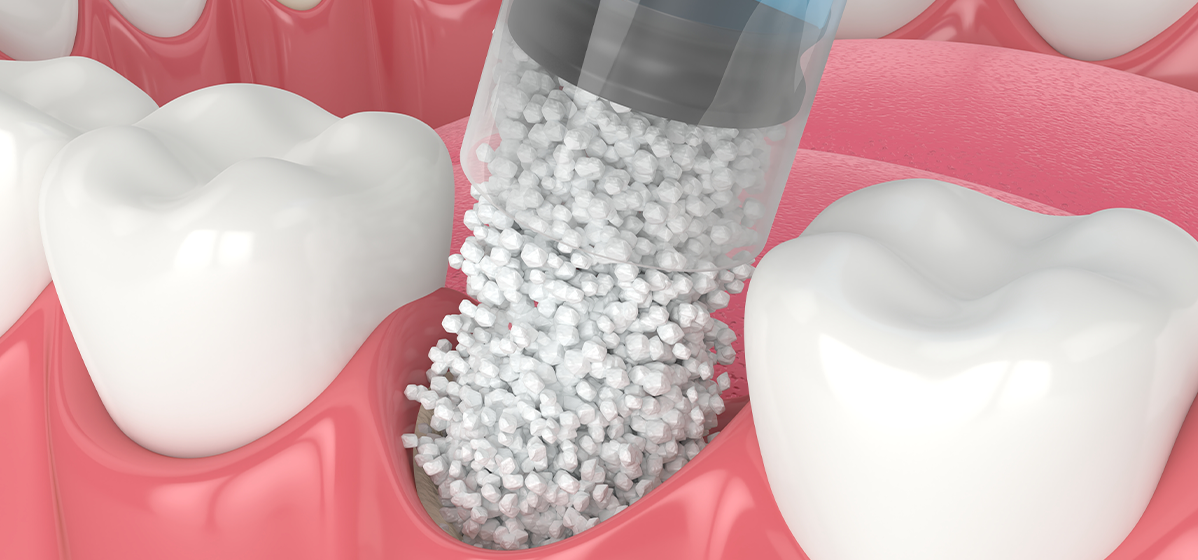
Bone grafting is a common and well-established dental procedure that rebuilds lost jawbone to support dental implants, protect adjacent teeth, and maintain the structure of your face and jaw. At North Langley Family Dental, we offer bone grafting procedures for patients in Langley, Walnut Grove, Willowbrook, Fort Langley, and the surrounding Fraser Valley — helping patients achieve their tooth replacement goals even when bone loss has occurred.
Why Is Jawbone Lost?
The jawbone requires stimulation from tooth roots to maintain its density and volume. When teeth are missing or extracted, the bone in that area begins to resorb (shrink) because it no longer receives that stimulation. Bone loss can also result from severe gum (periodontal) disease, long-term wearing of dentures, trauma or injury to the jaw, or developmental defects.
When Is a Bone Graft Needed?
Bone grafting is most commonly required in preparation for dental implant placement. An implant needs sufficient bone volume and density to anchor securely. If the available bone is too thin, too narrow, or has resorbed significantly since tooth loss, a bone graft is needed to rebuild the foundation before or during implant surgery.
Bone grafting may also be used to preserve the bone socket immediately after a tooth extraction (socket preservation graft), repair bone destroyed by periodontal disease, or regenerate bone around existing teeth or implants.
Types of Bone Grafts
- Socket preservation graft: Placed immediately at the time of tooth extraction to maintain bone volume in the socket. This is the simplest and most common type, and can significantly reduce the amount of additional grafting needed before implant placement.
- Ridge augmentation: Rebuilds the height or width of the jawbone ridge in an area where significant bone loss has occurred.
- Sinus lift: A specialized procedure for the upper jaw where the sinus floor is raised and bone is added to create space for implants in the upper molar region.
Graft materials may come from your own body (autograft), a donor tissue bank (allograft), animal-derived materials (xenograft), or synthetic sources. We will recommend the most appropriate material for your situation.
The Bone Graft Process
Bone grafting is performed under local anaesthetic and is typically a same-day outpatient procedure. The graft material is placed in the area of bone deficiency and the site is covered and sutured. Healing takes place over several months as the graft material is gradually replaced by your own natural bone. Once healing is complete, implant placement can proceed.
Recovery After Bone Grafting
Initial healing (tenderness, minor swelling) lasts approximately 1–2 weeks. A soft food diet and gentle oral hygiene around the site are recommended. Full bone integration takes 4–6 months. We will monitor healing with X-rays at follow-up appointments before proceeding to the next step of treatment.
We serve patients requiring bone grafting from Langley, Walnut Grove, Willowbrook, Fort Langley, Brookswood, Aldergrove, Maple Ridge, and Abbotsford.
Is bone grafting painful?
Bone grafting is performed under local anaesthetic, so you should not feel pain during the procedure. Mild to moderate soreness and swelling for 1–2 weeks afterward is normal and manageable with pain medication. Most patients find the recovery more straightforward than they expected.
How long does bone grafting take to heal?
Initial soft tissue healing takes 1–2 weeks. Full bone integration, where the graft material is replaced by your own natural bone, typically takes 4–6 months. Implant placement can proceed once healing is confirmed on X-ray.
Can I get a bone graft and implant at the same time?
In some cases, yes — this depends on the degree of bone loss and the clinical situation. A minor graft can sometimes be placed simultaneously with the implant. More significant bone defects typically require a separate grafting procedure with a healing period before implant placement.
Should I get a bone graft when I have a tooth extracted?
If you plan to have a dental implant in the future, we strongly recommend a socket preservation graft at the time of extraction. This simple procedure significantly reduces bone loss in the socket and makes future implant placement easier and more predictable.
Is bone grafting covered by insurance?
Coverage for bone grafting varies by insurance plan. Some plans include bone grafts as a surgical benefit; others do not. We will review your coverage before treatment and provide a detailed cost estimate.
Are donor bone grafts safe?
Yes — donor bone graft materials (allografts and xenografts) are processed and sterilized to extremely high safety standards. They have been used routinely in dentistry and medicine for decades with an excellent safety record.
Considering Dental Implants?
Considering dental implants or have been told you need a bone graft? Contact North Langley Family Dental at 604-888-6885 or book online. Serving patients in Langley, Walnut Grove, Willowbrook, Fort Langley, and across the Fraser Valley.


