
Does CDCP Cover Dental Implants or Orthodontics in Langley?
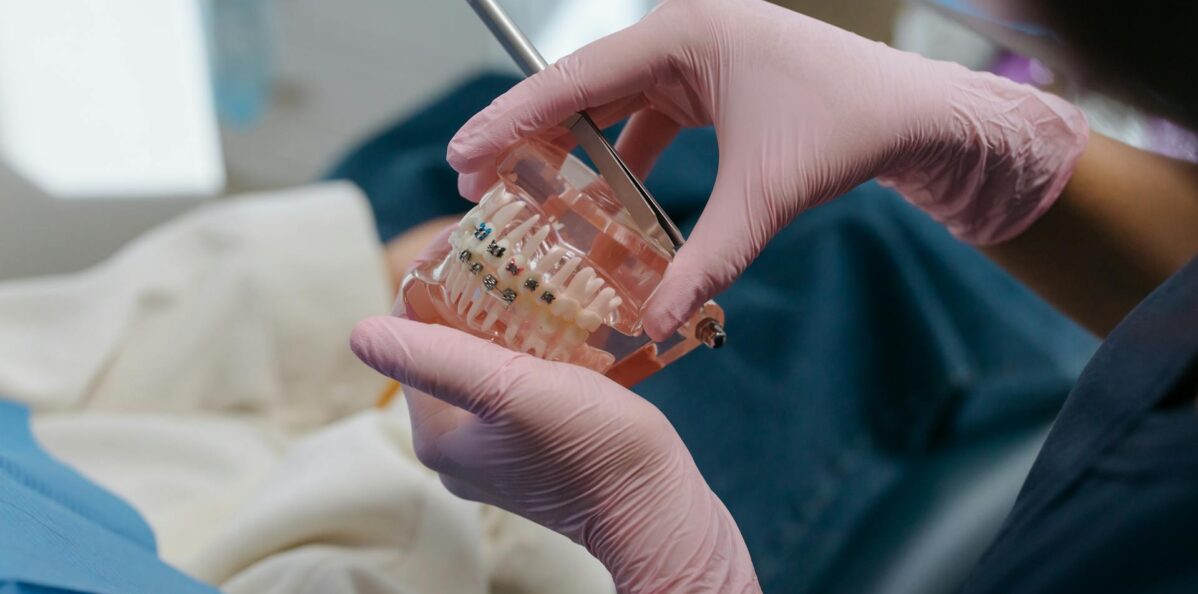
It’s one of the most common questions we hear from new CDCP patients at North Langley Family Dental: “I need implants — does my CDCP cover it?” or “My teenager needs braces — is that under the plan?”
We want to give you a straight answer before you arrive for your consultation: no, the Canadian Dental Care Plan does not cover dental implants or orthodontic treatment. These are among the most significant exclusions in the program for the 2026–2027 benefit year, and it’s important to understand why — and what your options are if you need these treatments. (Good news if you’re asking about bridges or dentures specifically: those are a different story — see below.)
If you haven’t applied for CDCP yet, start with our CDCP application guide for Langley residents. If you already have coverage, make sure it’s active for this benefit year with our CDCP Renewal Guide.
Why Doesn’t CDCP Cover Implants or Orthodontics?
The CDCP was designed to cover essential preventive and restorative dental care — the kind of treatment that directly addresses dental disease, infection, and functional problems. The federal government drew a clear line between medically necessary dental care and elective or complex procedures.
Dental implants were excluded because they are considered a premium tooth-replacement option. While highly effective, implants require surgical placement, significant lab work, and in many cases bone grafting — all of which drive costs that the program was not designed to absorb.
Orthodontics — including traditional braces, clear aligners, and Invisalign — were excluded because they are primarily considered elective unless there is a documented medical necessity (such as a severe skeletal jaw discrepancy). Cosmetic alignment and bite improvement, while valuable, fall outside the program’s scope.
This is a policy decision by the federal government, not something individual dental clinics can override.
What Does CDCP Actually Cover?
To put the exclusions in context, here is what CDCP does cover for eligible Langley residents:
Preventive care:
- Oral exams (comprehensive and recall)
- Dental X-rays (bitewing, periapical, panoramic)
- Teeth cleanings (scaling and polishing)
- Fluoride treatments
- Dental sealants
Restorative care:
- Fillings (amalgam and composite)
- Root canals on eligible teeth (typically anterior and premolar)
- Tooth extractions
- Periodontal (gum) treatment
Prosthetics:
- Complete dentures (full upper and lower)
- Partial dentures
- Denture repairs and adjustments
These services cover the majority of what most patients need to maintain a healthy, functional mouth. If you need a cleaning, a filling, or a tooth removed, CDCP has you covered.
Does CDCP Cover Dental Bridges?
Yes — dental bridges are eligible for CDCP coverage in certain clinical situations. A bridge uses the teeth adjacent to a gap as anchors to hold an artificial tooth in place. Unlike implants and orthodontics, bridges aren’t on CDCP’s excluded-services list — whether yours is covered depends on the number of teeth involved, the clinical circumstances, and your current benefit schedule. Our team will confirm your specific coverage during your consultation before any work begins.
Does CDCP Cover Dentures?
Yes. Both complete dentures (full upper and/or lower) and partial dentures (replacing one or more missing teeth) are CDCP-covered prosthetic services. Modern dentures are more comfortable and natural-looking than most patients expect, and they restore full chewing function. Denture repairs and adjustments are also covered.
I Need an Implant — What Are My Options?
If you’re missing a tooth and want to discuss your options under CDCP, there are covered alternatives worth considering:
Partial dentures are a CDCP-covered option for replacing one or more missing teeth. Modern partial dentures are more comfortable and natural-looking than most people expect, and they can restore full chewing function.
Dental bridges may be covered in certain clinical situations. A bridge uses the teeth adjacent to the gap as anchors to hold an artificial tooth in place. Whether a bridge is covered under your CDCP depends on the number of teeth involved and your current benefit schedule — our team will review this with you during your consultation.
If you have a strong preference for implants — which are generally considered the gold standard for tooth replacement in terms of longevity and bone preservation — we also offer financing options to help spread the cost. Implants are not covered by CDCP, but they don’t have to be completely out of reach.
For a full breakdown of CDCP-covered tooth replacement alternatives, see our dedicated post: CDCP-Covered Alternatives for Missing Teeth in Langley.
Still weighing whether to pay out of pocket for an implant or go with a CDCP-covered alternative? See our full comparison: Dental Implants vs. Bridges vs. Dentures: Which Is Right for You?
My Child Needs Braces — Is There Any Help?
Orthodontic treatment for children and teenagers is one of the most frequent concerns among Langley parents on CDCP. Unfortunately, the plan does not cover braces, clear aligners, retainers, or any other orthodontic appliances regardless of the patient’s age.
A few things to know:
Provincial programs: British Columbia’s CDCP-equivalent provincial programs (like the BC Healthy Kids Program) also generally do not cover orthodontics unless there is a documented severe functional need. Check BC’s Healthy Kids website for current eligibility.
School-based plans: Some school districts in BC offer optional dental benefit packages through student plans. Check with your school district if your child is enrolled.
Payment plans: At North Langley Family Dental, we can discuss flexible payment arrangements for orthodontic consultations and treatment for Langley families who need help managing the cost.
Invisalign vs. braces: Neither is covered by CDCP. Invisalign is typically comparable in cost to traditional braces for most cases. We can provide a full estimate after an orthodontic assessment.
Does CDCP Cover Partial Orthodontic Work?
No. CDCP does not contribute to orthodontic treatment at any stage — not for initial records, not for appliances, not for retainers at the end of treatment. The exclusion is total.
Some patients ask whether they can submit a portion of orthodontic costs if there is a documented dental problem involved (like crowding that worsens a bite issue). In practice, CDCP does not distinguish between orthodontic treatment done for functional vs. cosmetic reasons — it is excluded across the board.
What About Dental Implants — Can CDCP Cover Any Part of the Process?
No. Implant treatment involves multiple phases: the implant post (surgical placement), the abutment, and the crown. CDCP does not contribute to any phase of implant treatment. This includes implant-supported dentures and implant-retained bridges.
If you had a tooth extracted under CDCP and now need to replace it, the extraction is covered — but the replacement implant is not.
Talk to Us Before Ruling Anything Out
If you’re a Langley resident on CDCP who needs tooth replacement or orthodontic treatment, book a consultation with our team at North Langley Family Dental. We’ll review exactly what your current CDCP benefit covers, explain your non-covered options honestly, and help you find a path forward that works with your budget.
We see patients from Walnut Grove, Willowbrook, Fort Langley, Brookswood, Aldergrove, Maple Ridge, and across Langley Township.
Call us at 604-888-6885 or contact us online.
Frequently Asked Questions
Q: Does CDCP cover dental bridges?
Yes, in certain clinical situations. Bridges are not on CDCP’s excluded-services list the way implants and orthodontics are. Whether your specific bridge is covered depends on the number of teeth involved and your current benefit schedule — our team confirms this during your consultation.
Q: Are dentures fully covered by CDCP, or is there a cost to me?
Complete and partial dentures are CDCP-covered prosthetic services, including repairs and adjustments. Your out-of-pocket cost, if any, depends on your co-pay tier (based on household income) — patients under $70,000/year household income typically pay nothing for eligible services.
Q: Does CDCP cover any part of the cost of dental implants?
No. CDCP does not contribute to any phase of dental implant treatment — including the implant post, abutment, or crown. The exclusion is total. However, CDCP does cover dentures and potentially bridges as alternatives for missing teeth.
Q: Does CDCP cover Invisalign or clear aligners?
No. Invisalign and all clear aligner systems are considered orthodontic treatment and are excluded from CDCP coverage. This applies to both adult and teen aligner systems regardless of the clinical indication.
Q: Does CDCP cover retainers after orthodontic treatment?
No. Retainers are classified as orthodontic appliances and are not covered under CDCP, even if they are prescribed following completed orthodontic treatment.
Q: Are there provincial programs in BC that cover orthodontics for children?
BC’s Healthy Kids Program provides limited dental coverage but generally does not include orthodontics unless there is a severe documented medical need. Check the BC Government’s Healthy Kids Program page for current eligibility criteria.
Q: What tooth replacement options does CDCP cover if not implants?
CDCP covers complete and partial dentures as well as certain dental bridges depending on your clinical situation. See our full post on CDCP-covered alternatives for missing teeth in Langley for a detailed comparison.