
What CDCP-Covered Alternatives Exist for Missing Teeth in Langley?
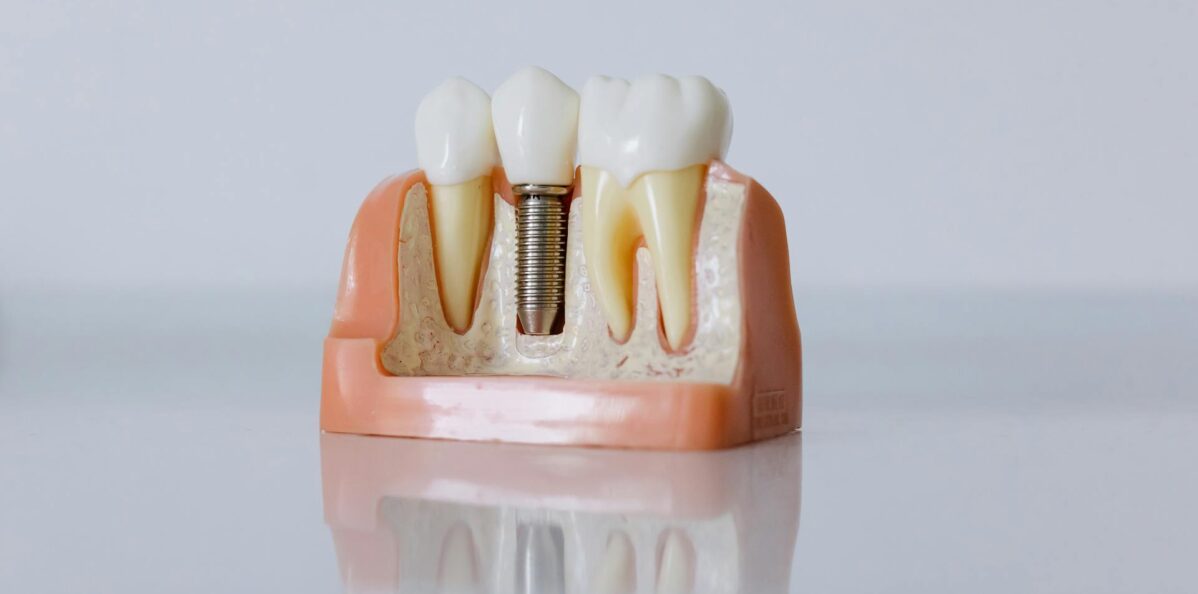
Losing a tooth — whether through decay, injury, or extraction — affects more than your smile. It can change the way you chew, cause neighbouring teeth to shift, and over time contribute to bone loss in the jaw. The sooner you replace a missing tooth, the better the long-term outcome.
Many patients in Langley ask us whether the Canadian Dental Care Plan (CDCP) can help cover the cost of tooth replacement. The answer is yes — for certain options. While CDCP does not cover dental implants, it does cover several effective alternatives that can restore your function and appearance. (Not sure yet whether implants or orthodontics are covered for your situation? Start with our full CDCP coverage breakdown, or see our CDCP application guide if you haven’t enrolled yet.)
Here’s a clear breakdown of what’s available to CDCP patients in Langley, and how each option compares.
Why CDCP Doesn’t Cover Implants (And What It Does Cover Instead)
Dental implants are widely regarded as the gold standard for replacing missing teeth. They look and function like natural teeth and are the only option that preserves the jawbone at the site of the missing tooth. However, implants are not covered under CDCP.
The federal government excluded implants from the program because they are considered a premium, high-cost procedure — the cost of surgical placement, the implant post, the abutment, and the crown can range from $3,000 to $6,000+ per tooth, depending on whether bone grafting is needed.
What CDCP does cover are dentures and, in some cases, dental bridges — both of which are functional, long-standing solutions that millions of Canadians rely on.
Option 1: Partial Dentures (CDCP Covered)
A removable partial denture is the most commonly covered tooth replacement option under CDCP. It’s designed for patients who are missing one or several teeth but still have healthy natural teeth remaining.
How it works:
A partial denture consists of artificial teeth set in a gum-coloured base, held in place by metal or flexible clasps that attach to your surrounding teeth. It’s removed at night for cleaning.
What to expect:
- Initial adjustment period of 2–4 weeks while your mouth adapts
- With proper care, a partial denture lasts 5–10 years before needing replacement
- Regular relining may be required as your jaw changes over time
CDCP coverage: Complete and partial dentures are included in the CDCP benefit schedule. Coverage depends on your income bracket and the specifics of your benefit plan — your co-pay (if any) will apply.
Best for: Patients missing multiple teeth who want a non-surgical, lower-cost option to restore chewing and appearance.
Option 2: Complete Dentures (CDCP Covered)
If you are missing all of your teeth in one or both arches, complete dentures (also called full dentures) are a CDCP-covered option.
How it works:
Complete dentures rest on your gum tissue and are held in place by the natural suction of your gum and palate. Denture adhesive can be used for added security.
What to expect:
- Takes several appointments to complete, including impressions, bite registration, and fitting
- May require a healing period after extractions before final dentures are placed — interim (immediate) dentures may be used during healing
- Requires regular maintenance appointments to check fit as bone changes over time
CDCP coverage: Full dentures are covered under CDCP for eligible patients. This is one of the more comprehensive benefits available through the program.
Best for: Patients who have lost all teeth in an arch and need a functional, covered solution.
Option 3: Dental Bridges (Potentially Covered)
A dental bridge is a fixed (non-removable) option for replacing one or more consecutive missing teeth. Unlike dentures, a bridge is cemented in place permanently and does not need to be removed.
How it works:
The teeth on either side of the gap (called abutment teeth) are prepared and capped with crowns. An artificial tooth (called a pontic) is suspended between them, bridging the gap. The result looks and functions like a natural tooth.
What to expect:
- Requires two or more appointments over several weeks
- The adjacent teeth must be healthy enough to support the bridge
- With proper care, a dental bridge can last 10–15 years or more
CDCP coverage: Whether a bridge is covered under CDCP depends on the specific clinical situation — the location of the missing tooth, the number of teeth involved, and your current CDCP benefit year. Our team will verify your coverage before starting any treatment.
Best for: Patients missing one tooth with strong, healthy teeth on both sides of the gap who want a fixed (non-removable) solution.
Comparing Your CDCP-Covered Options
| Partial Denture | Complete Denture | Dental Bridge | |
|---|---|---|---|
| CDCP Covered | Yes | Yes | Depends on case |
| Removable | Yes | Yes | No (fixed) |
| Teeth Required | Some natural teeth | None required | Adjacent teeth needed |
| Typical Lifespan | 5–10 years | 7–10 years | 10–15+ years |
| Bone Preservation | No | No | No |
| Surgery Required | No | No | No |
Implants are not shown in this table because they are not covered under CDCP, but they are the only option in this comparison that preserves jawbone at the extraction site.
What If I Really Want Implants?
Implants are not covered by CDCP, but they are available at North Langley Family Dental. Many patients choose to use their CDCP benefits for the extraction and any related restorative work (such as gum treatment) and then finance the implant placement separately.
We can provide a personalized treatment plan that clearly shows what CDCP covers and what you would be responsible for out of pocket. For some patients, a combination of CDCP-covered services and a payment plan makes implants achievable without paying everything upfront.
For more information, see our post on whether CDCP covers implants or orthodontics and talk to our team about your options.
How to Access These Options at Our Langley Clinic
If you’re a CDCP member in Langley and you’re missing one or more teeth, here’s how to get started:
1. Call us at 604-888-6885 or contact us online to book a consultation
2. Bring your CDCP member card — we’ll verify your current coverage before your appointment (if your card or renewal status is unclear, check our CDCP Renewal Guide first)
3. Attend a full exam — we’ll take X-rays and review your mouth to determine which option is best for your clinical situation and covered under your plan
4. We bill Sun Life directly — you only pay your applicable co-pay (if any), and we walk you through the full financial breakdown before treatment begins
We serve patients across Langley Township, Walnut Grove, Willowbrook, Fort Langley, Brookswood, and nearby communities including Aldergrove and Maple Ridge. Our dentists — Dr. Aarman Rahim, Dr. Shafiq Kara, Dr. Danielle Kools, and Dr. Ashleigh Sran — are experienced in helping patients find the right tooth replacement solution for their needs and budget.
Frequently Asked Questions
Q: Does CDCP cover full dentures for someone who has lost all their teeth?
Yes. Complete (full) dentures are covered under CDCP for eligible patients who have lost all teeth in one or both arches. Coverage is subject to your income-based co-pay level. Multiple appointments are needed to complete the process.
Q: Does CDCP cover a dental bridge for a single missing tooth?
It depends on your specific clinical situation, the tooth location, and your current CDCP benefit schedule. Call our Langley clinic and we’ll check your coverage before your consultation so you know what to expect.
Q: How long does it take to get dentures through CDCP?
The denture process typically involves 4–6 appointments over 6–8 weeks. If teeth need to be extracted first, there may be an additional healing period before your final dentures are fitted. Immediate dentures can be placed right after extraction as a temporary measure.
Q: Can I use CDCP for part of the cost of dental implants?
No. CDCP does not contribute to any portion of dental implant treatment. However, if a tooth extraction is needed before the implant, the extraction itself may be covered under your CDCP. You would be responsible for the full cost of the implant surgery, abutment, and crown.
Q: Are implant-supported dentures covered by CDCP?
No. Implant-supported dentures require implant surgery, which is excluded from CDCP. If you need dentures and want them supported by implants, the implant portion would not be covered. Standard (tissue-supported) complete dentures are covered.