
Once you know you need to replace a missing tooth, the next question is which option actually fits — an implant, a bridge, or a denture. Each works differently, costs differently, and suits different situations. Here’s a straight comparison to help you walk into your consultation already informed.
The Three Options at a Glance
Dental implants replace the tooth root with a titanium post surgically placed in the jawbone, topped with a crown. They stand alone — no impact on neighbouring teeth.
Dental bridges span the gap using the teeth on either side as anchors, with a false tooth suspended between them. No surgery, but it does involve altering the adjacent teeth.
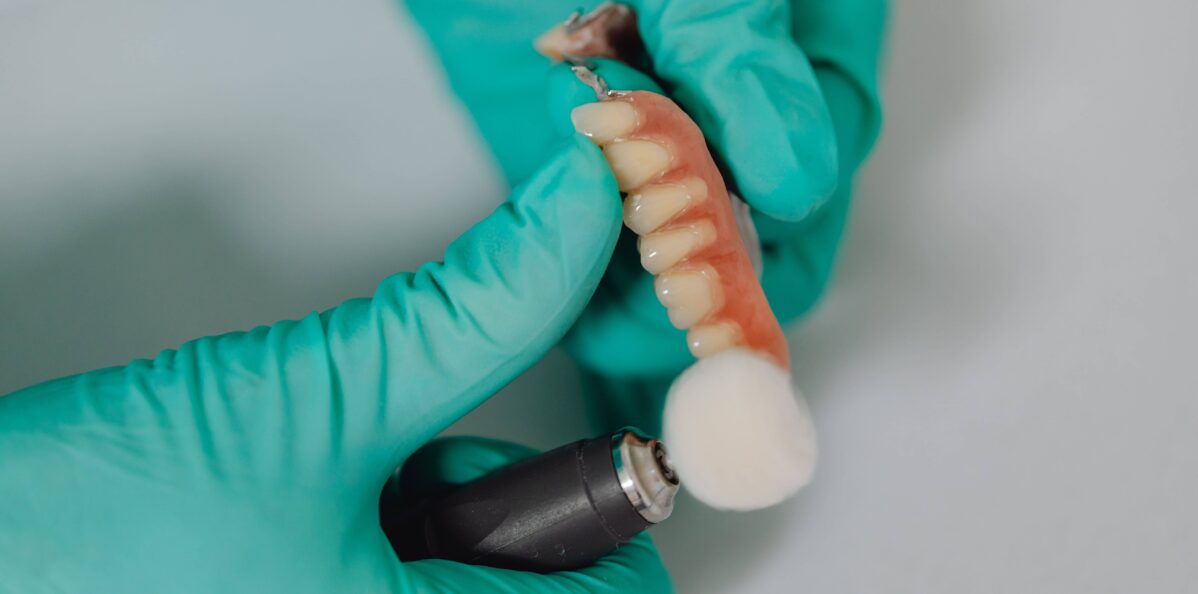
Dentures are removable appliances that replace some (partial) or all (full) teeth in an arch. No surgery or alteration of remaining teeth required.
How They Compare
Longevity. Implants are built to last decades, often a lifetime with proper care. Bridges typically last 10–15 years before needing replacement. Dentures usually need relining or replacing every 5–8 years as your jaw shape changes.
Effect on neighbouring teeth. Implants have zero impact on adjacent teeth. Bridges require shaving down the healthy teeth on either side to anchor the crown — a permanent alteration even if the bridge later fails. Dentures don’t alter remaining teeth but partial dentures clasp onto them for stability.
Bone health. Implants are the only option that preserves jawbone density long-term, since the titanium post stimulates the bone the way a natural root does. Bridges and dentures don’t prevent the gradual bone loss that follows tooth loss.
Day-to-day experience. Implants function and feel like natural teeth — no removal, no slipping, no dietary restrictions. Bridges are fixed in place and feel similar to natural teeth once healed. Dentures are removable, require nightly cleaning routines, and some patients experience slipping or diet adjustments, especially early on.
Upfront cost. Dentures typically have the lowest upfront cost, bridges sit in the middle, and implants usually have the highest upfront investment — though implants’ longevity often makes them more cost-effective over a decade-plus timeframe since bridges and dentures need periodic replacement. See our full breakdown in Dental Implant Cost in Langley.
Candidacy. Bridges and dentures have fewer requirements upfront. Implants need adequate bone density and healthy gums — see Am I a Candidate for Dental Implants? to check where you stand.
Which One Fits Your Situation?
- Missing one tooth, want the longest-lasting fix, and don’t mind the higher upfront cost: implant is usually the strongest option.
- Missing one tooth but want to avoid surgery, or aren’t a candidate for an implant: a bridge is a solid fixed alternative.
- Missing several or all teeth in an arch and want the lowest upfront cost: dentures are worth considering — or ask about All-on-4 implants, which replace a full arch on just four implants at a lower cost than individually implanting every tooth.
- Want to preserve jawbone density long-term: implants are the only option of the three that does this.
Does CDCP Cover Any of These?
Coverage differs meaningfully between the three. The Canadian Dental Care Plan covers some bridge and denture procedures depending on your situation, but implant coverage is far more limited. See our full breakdown of what CDCP does and doesn’t cover before deciding based on cost alone.
Get a Recommendation Specific to Your Case
General comparisons only go so far — the right option depends on your bone health, budget, and how many teeth you’re replacing. We’ll walk you through your specific options and give you an honest recommendation, not a one-size-fits-all answer. We serve patients across Langley Township, Walnut Grove, Willowbrook, Brookswood, Fort Langley, and nearby Maple Ridge and Aldergrove.
Call 604-888-6885 or contact us online to book a consultation.
Frequently Asked Questions
Are dental implants better than a bridge?
Implants last longer, preserve jawbone density, and don’t require altering neighbouring teeth — but bridges avoid surgery and have a lower upfront cost. The better option depends on your priorities and candidacy.
Are dentures cheaper than implants?
Yes, upfront. Dentures typically cost less to start, but need relining or replacement every 5–8 years, while implants can last decades — which can make implants more cost-effective over the long run.
Do bridges damage the teeth next to the gap?
The adjacent teeth need to be shaved down to anchor the bridge’s crowns — a permanent alteration to those teeth, even if the bridge is later replaced or fails.
Can I switch from a denture to implants later?
Often, yes, if you have adequate bone density. Extended denture wear can lead to bone loss in some patients, so an evaluation is worth doing sooner rather than later if implants are a future goal.
Does CDCP cover bridges, dentures, or implants?
Coverage varies by procedure and situation. CDCP covers some bridge and denture procedures, but implant coverage is far more limited — see our full CDCP coverage breakdown for specifics.